
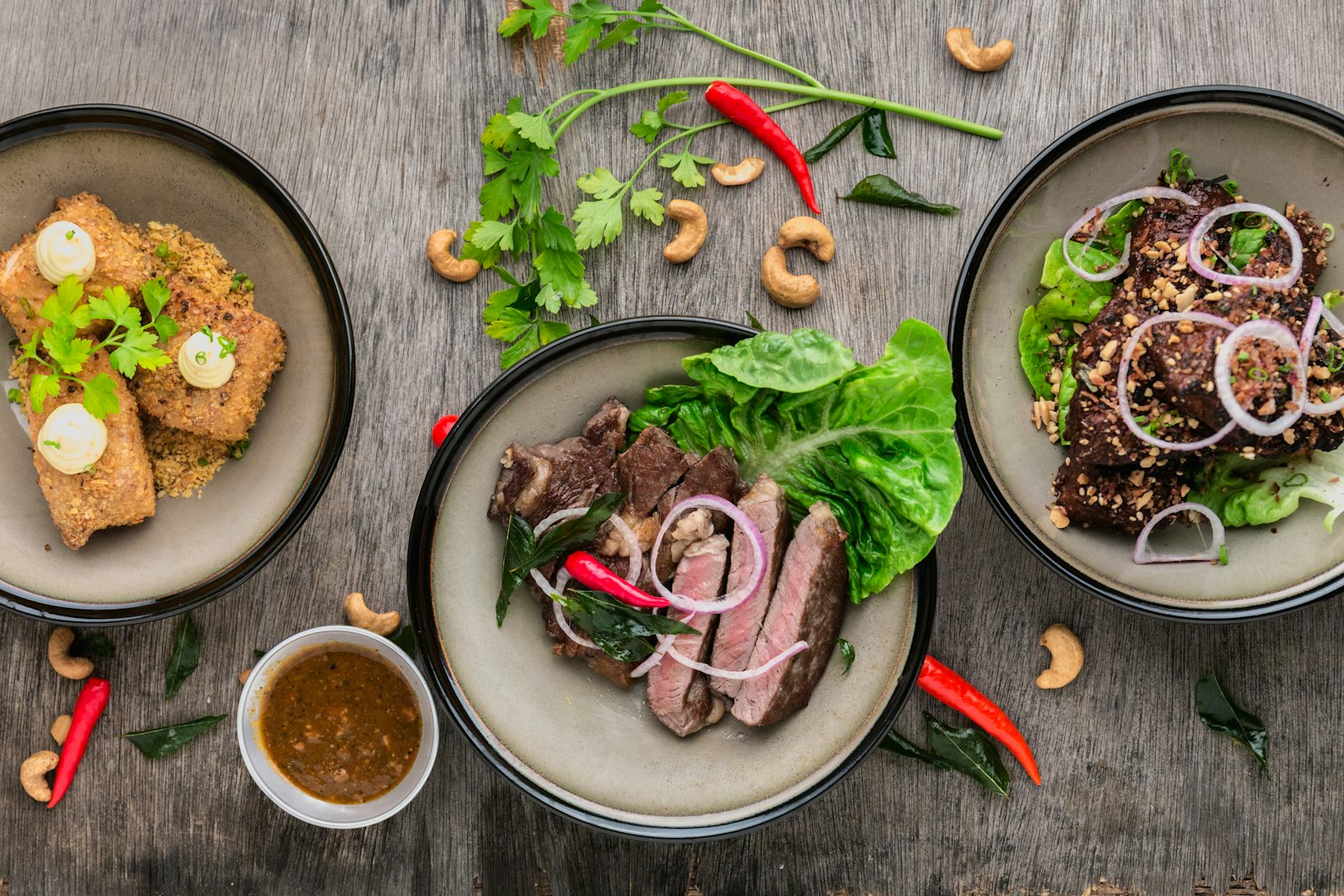
PARIS — In kitchens from Tokyo to Mexico City, a new generation of chefs is reimagining traditional cuisine, blending centuries-old techniques with modern innovation to create dishes that honor heritage while pushing culinary boundaries. This movement represents more than a trend—it's a cultural renaissance that celebrates diversity and sustainability.
"Food is our most universal language," says Chef Elena Rodriguez, whose restaurant in Barcelona has earned three Michelin stars for her reinterpretation of Spanish classics. "When we respect tradition but aren't afraid to innovate, we create something entirely new that speaks to both our past and our future."
The Fusion of Heritage and Innovation
Across continents, chefs are exploring ways to preserve traditional flavors while incorporating contemporary techniques. In Seoul, restaurants are serving kimchi made with locally sourced vegetables and fermented using time-honored methods, but presented in ways that appeal to international palates. In Lima, Peruvian chefs are combining ancient Incan ingredients with modern molecular gastronomy.
"The key is understanding the 'why' behind traditional methods," explains Chef Kenji Tanaka, whose Tokyo restaurant has become a destination for those seeking authentic Japanese flavors with unexpected twists. "Once you understand the cultural and practical reasons for traditional techniques, you can innovate while maintaining the essence of the dish."
Sustainability and Local Sourcing
This culinary movement is also driving a renewed focus on sustainability and local sourcing. Chefs are working directly with farmers, fishermen, and artisans to source ingredients that are both environmentally responsible and culturally authentic. This approach not only supports local economies but also ensures that traditional foodways are preserved.
"We're seeing a return to regional specialties and heirloom varieties," notes food historian Dr. Sarah Chen. "Chefs are rediscovering ingredients that were nearly forgotten, and in doing so, they're helping to preserve biodiversity and cultural knowledge."
Cultural Exchange Through Food
The reimagining of culinary traditions is also fostering greater cultural exchange. Chefs from different backgrounds are collaborating, sharing techniques, and creating fusion dishes that celebrate multiple heritages. These collaborations are breaking down cultural barriers and creating new forms of culinary expression.
As this movement continues to grow, it's clear that the future of cuisine lies not in abandoning tradition, but in understanding it deeply enough to innovate thoughtfully. The result is a global culinary landscape that is both diverse and unified—a celebration of human creativity and cultural heritage through the universal language of food.
Related Articles
Cultural Heritage Sites Reopen
Jan 13, 2026
Classical Arts Revival
Jan 10, 2026
More Culture News
Latest updates